
Chiropractic for the Elderly

Your Spine Needs Attention at Every Age:
Healthy Ageing, Pain Management and Staying Mobile
Your spine has supported you throughout your life. As you get older, looking after your spine, muscles and joints becomes increasingly important.
Getting older is inevitable. Living with constant pain, stiffness and reduced mobility does not have to be something you simply accept.
Whether you are 45, 65 or 85, maintaining good musculoskeletal health can make a meaningful difference to your independence, mobility and quality of life.
At Aston Manor Chiropractors in Kempton Park, we believe that everyone deserves the opportunity to move better, feel better and enjoy the activities they love – at every stage of life.
What happens to your spine and joints as you age?
Over time, natural changes occur in the spine, muscles, discs, ligaments and joints.
These changes may include:
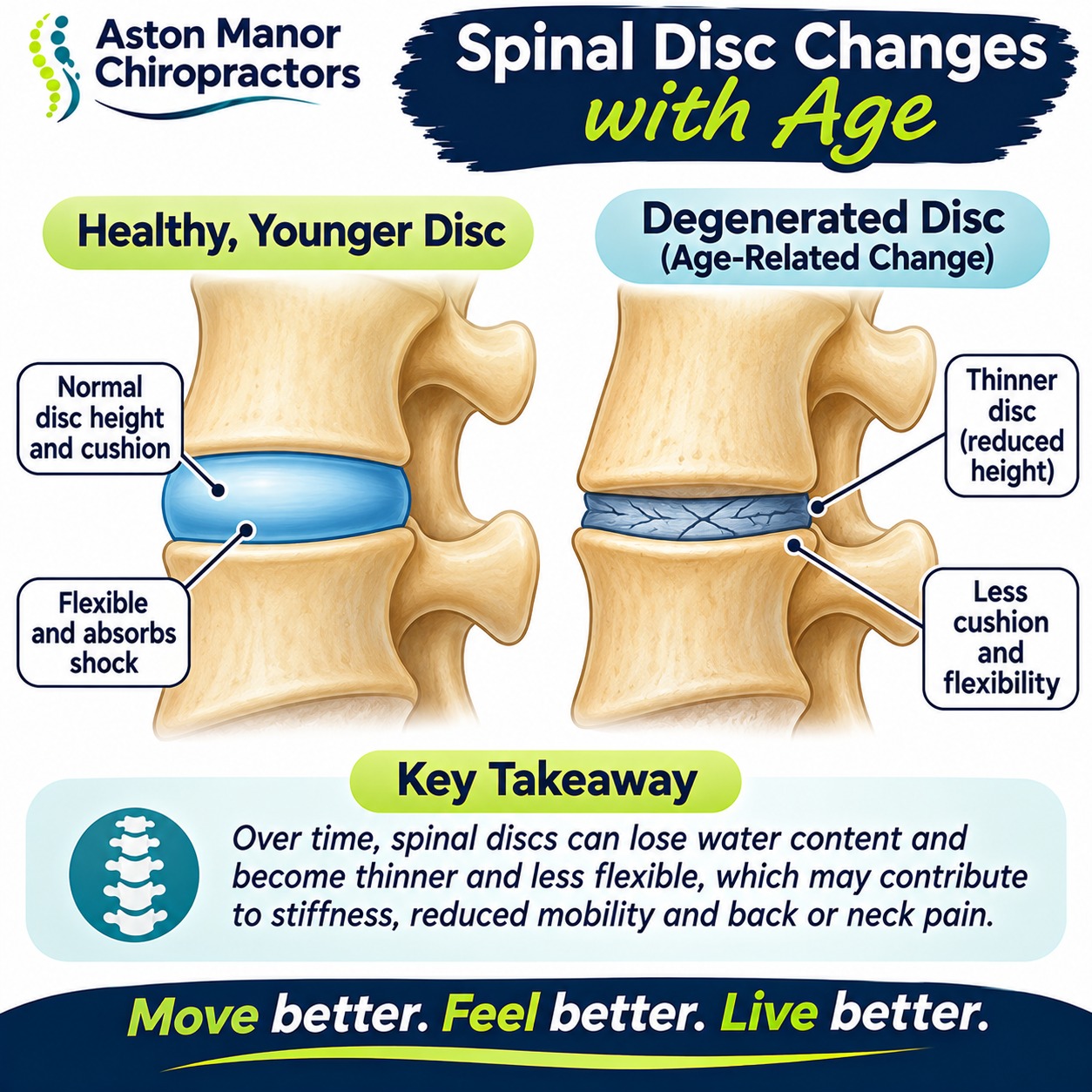


It is important to remember that degenerative changes do not automatically mean you will experience pain. Many people have age-related changes on X-rays or scans without significant symptoms.
The important thing is to assess how your body is functioning, identify the source of your symptoms and find appropriate ways to maintain movement.
Common age-related conditions that can affect your mobility
Many older adults experience musculoskeletal problems that interfere with everyday activities.
Osteoarthritis of the spine
Spinal osteoarthritis, also known as spondylosis, involves degenerative changes affecting the spinal joints and surrounding structures.
It commonly affects the neck and lower back.
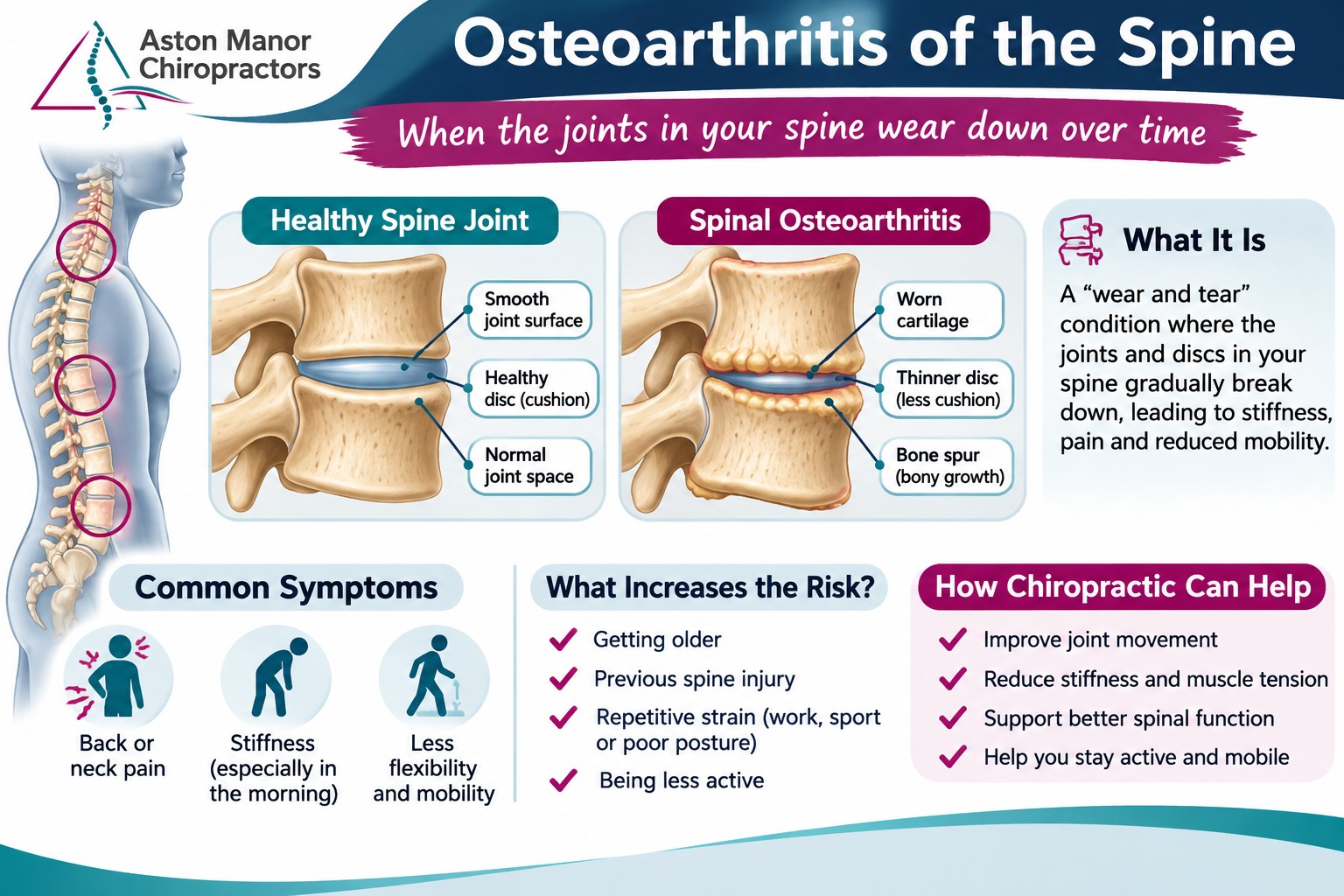
Symptoms may include:
Osteoarthritis of the knees
Knee osteoarthritis is particularly common as we get older.
The gradual breakdown of joint cartilage and other changes within the knee can cause pain, stiffness and reduced function.
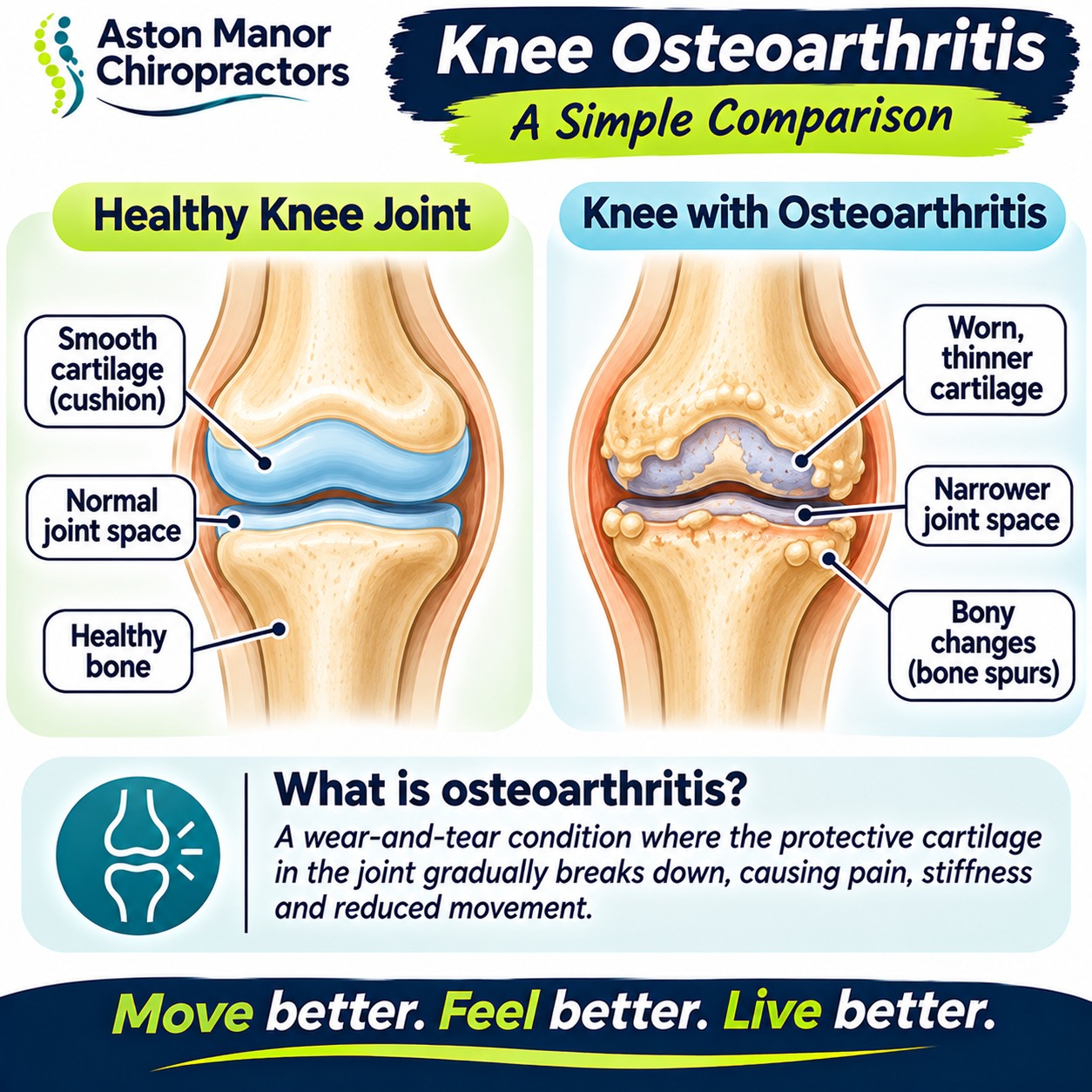
You may notice:
Hip osteoarthritis
Hip arthritis can make even simple movements uncomfortable.
Common symptoms include:
Degenerative disc disease
The spinal discs act as cushions between the vertebrae. With age, they can lose hydration and become less flexible.
Although disc degeneration does not always cause pain, it can sometimes contribute to:
Shoulder degeneration and rotator cuff problems
Age-related changes in the shoulder joint and rotator cuff tendons can affect everyday activities.
Spinal stenosis and nerve irritation
Spinal stenosis occurs when spaces within the spine narrow, potentially placing pressure on nerves or the spinal cord.
Symptoms can include:
These symptoms require careful assessment. Significant nerve or spinal cord compression needs medical investigation, and treatment techniques must be selected with particular caution.
Don't let pain steal your independence
Sometimes the biggest impact of musculoskeletal pain isn't the pain itself. It is what the pain stops you from doing.
Consider some everyday activities:
These movements are important because they help us maintain our independence.
Maintaining joint mobility, muscle strength, balance and physical activity can help support everyday function.
Growing older doesn't mean giving up on movement!
The hidden risks of relying on painkillers
Pain medication has an important role in managing pain. However, regularly taking medication to mask discomfort without investigating persistent symptoms may mean that an underlying problem remains unaddressed.
This is particularly important for older adults.
As we age, kidney and liver function may decline. We are also more likely to have existing medical conditions and take several medications simultaneously.
This can increase the risk of medication interactions and adverse effects.
Anti-inflammatory medication (NSAIDs)
Common examples include:
Although these medications can be effective for pain and inflammation, regular or prolonged use can increase the risk of:
The risks are particularly important in older adults, people with existing kidney or heart conditions, and those taking blood pressure medication or blood thinners.
Paracetamol (Panado)
Paracetamol is commonly used for pain relief and is generally well tolerated when taken correctly.
However, taking too much, accidentally combining several products containing paracetamol or using inappropriate doses can cause serious liver damage.
Stronger prescription painkillers (opioids)
Medicines such as codeine, tramadol and morphine may be prescribed for certain types of pain.
Possible side-effects include:
Why is this especially important for older people?
Many older adults are already taking medication for many other ailments.
Adding regular pain medication can increase the complexity of managing these conditions.
Painkillers are not necessarily bad, but they need to be used appropriately and safely.
Never stop or change prescribed medication without speaking to your doctor. If you regularly need painkillers, ask your doctor or pharmacist to review your medication and possible interactions.
Is there another way to manage musculoskeletal pain?
Rather than focusing exclusively on pain relief, it is important to consider the underlying factors contributing to discomfort.
A comprehensive approach may include:
The aim is to improve physical function and help you remain active.
How can chiropractic care help as we get older?
Chiropractic care focuses on the assessment and management of musculoskeletal conditions affecting the spine, joints, muscles and surrounding structures.
Older patients require an individualised approach because bone density, joint degeneration, medical conditions and medication use can influence which treatment techniques are suitable.
Following a thorough assessment, chiropractic care may include:
Importantly, chiropractic treatment does not reverse osteoarthritis, regenerate worn cartilage or remove degenerative changes. The focus is on managing symptoms, improving function and supporting mobility.
Manual therapy should not be used as a stand-alone treatment for hip or knee osteoarthritis. Exercise and strengthening remain central to managing these conditions.
Chiropractic care needs to be adapted for older adults
Chiropractic care can offer several benefits for the elderly. It can help reduce pain, especially in the back and joints, making it easier to move around and enjoy daily activities. Regular adjustments can improve flexibility and balance, which can help prevent falls— a common concern for older adults. Chiropractors can also provide advice on posture and exercises to maintain strength and mobility. Overall, chiropractic care can enhance quality of life, making everyday tasks more manageable and comfortable.
Overall, chiropractic care can play a significant role in helping seniors maintain a healthy, active lifestyle while improving their overall quality of life.
Many older adults experience chronic pain, especially in the back, neck, and joints. Chiropractic adjustments can help relieve this pain by improving alignment and reducing pressure on nerves.
Regular chiropractic care can enhance joint mobility and flexibility, making it easier for seniors to move around, bend, and perform daily tasks.
Chiropractic adjustments can improve balance and coordination, which are crucial for preventing falls. This is particularly important since falls can lead to serious injuries in older adults.
Poor posture can lead to discomfort and pain. Chiropractors can provide techniques to improve posture, which can reduce strain on the body and help maintain overall spinal health.
Pain and discomfort can disrupt sleep. By addressing musculoskeletal issues, chiropractic care can promote better sleep quality, allowing seniors to feel more rested and rejuvenated.
Chiropractors often recommend specific exercises that can strengthen muscles and improve overall fitness, which is vital for maintaining independence.
Chiropractors focus on the whole body, addressing not just symptoms but also underlying issues. They may also provide lifestyle and nutritional advice to support overall health.
By managing pain and improving function naturally, chiropractic care can reduce the reliance on pain medications, which can have side effects and interactions, especially for older adults.
Overall, chiropractic care can play a significant role in helping seniors maintain a healthy, active lifestyle while improving their overall quality of life.