Causes & Chiropractic Care | Aston Manor Chiropractors
What Is Neck Pain?
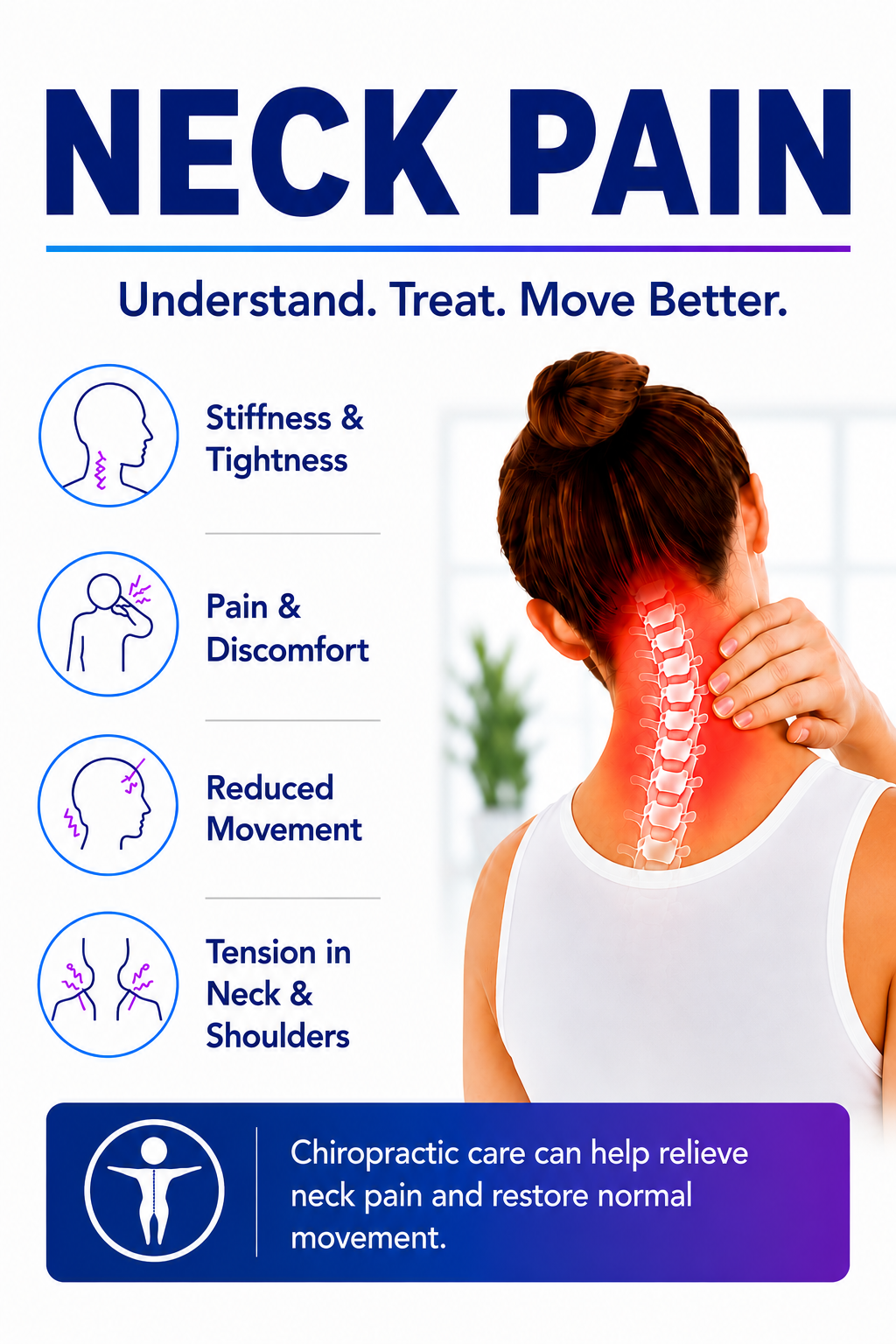
Neck pain is one of the most common musculoskeletal problems people experience. It can range from a mild ache or stiffness to more severe pain that limits movement and makes everyday activities uncomfortable.
Neck pain may develop gradually from posture, prolonged sitting or repetitive activities, or it may appear suddenly after an injury or awkward movement.
At Aston Manor Chiropractors, we assess the likely cause of your neck pain and tailor treatment to the structures involved, helping to reduce pain, restore movement and improve function.
How Common Is Neck Pain?
Neck pain is extremely common and can affect people of all ages. Many people experience neck pain at some point in their lives, and for some, it can become a recurring problem.
Modern lifestyles may contribute to the growing number of people experiencing neck discomfort. Spending long periods sitting at a computer, using a cellphone, driving, or looking down at devices can place prolonged stress on the muscles and joints of the neck.
Neck pain can also occur as we get older, when changes in the joints, discs and surrounding tissues may affect how the neck moves.
Who Is More Likely to Develop Neck Pain?
Although anyone can develop neck pain, some people are more likely to experience it.
People who may be at greater risk include those who:
Spend long periods sitting at a desk or working at a computer
Frequently use a cellphone, tablet or other handheld device
Have poor or sustained posture
Perform repetitive work involving the arms, shoulders or neck
Drive for long periods
Regularly lift, carry or work with their arms above shoulder height
Have previously injured their neck
Experience high levels of physical or mental stress
Have reduced strength or flexibility in the neck, shoulders or upper back
Have age-related changes affecting the spine
Neck pain is not always caused by one specific problem. Often, several factors combine to create irritation and reduced movement.
What Areas Can Be Described as Neck Pain?
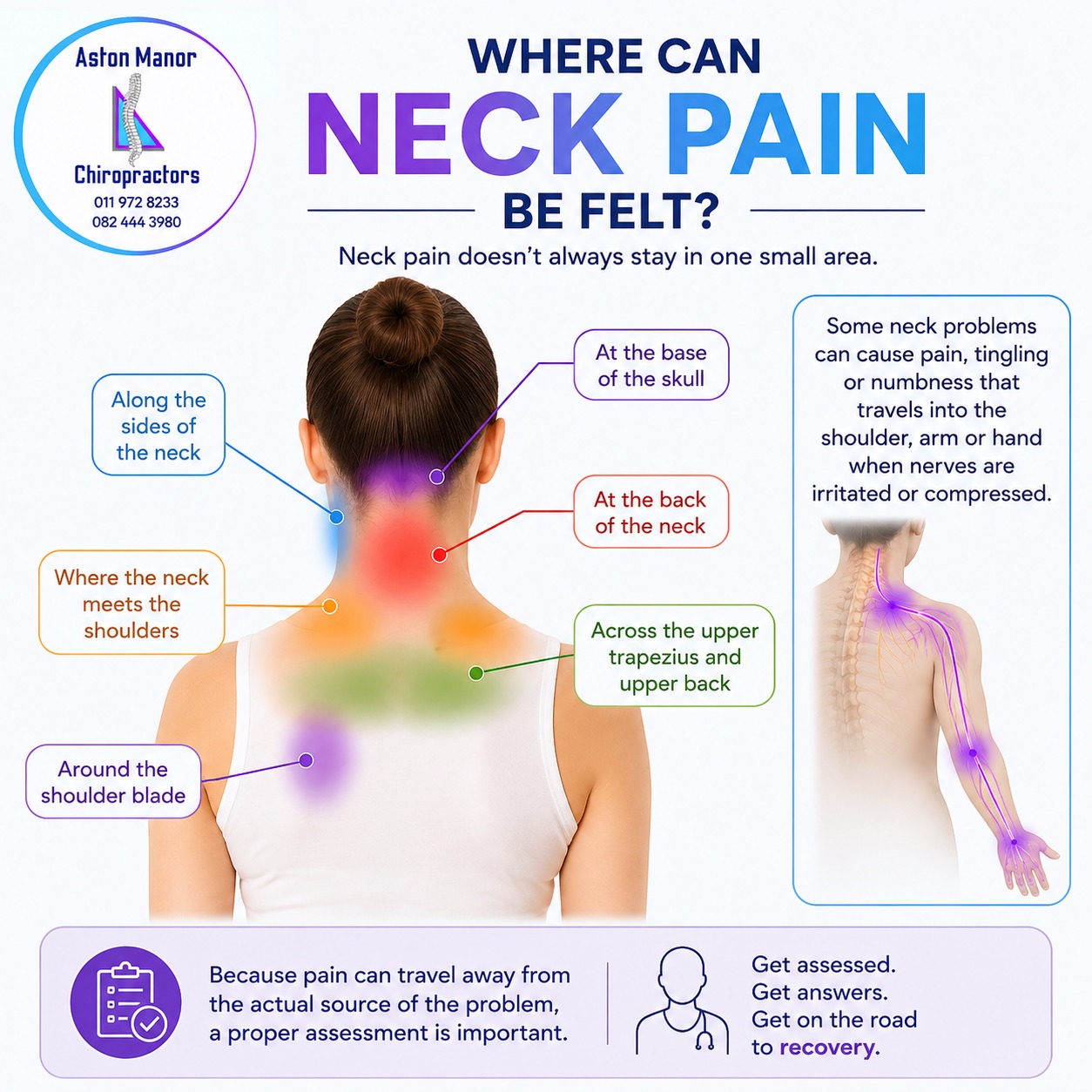
Neck pain does not always feel as though it is coming from one small area.
Some neck problems can also cause pain, tingling or numbness extending into the shoulder, arm or hand when nerves are irritated or compressed.
Because pain can travel away from the actual source of the problem, a proper assessment is important.
Common Causes of Neck Pain
There are many possible causes of neck pain. Some are related to muscles and joints, while others involve the discs, nerves or surrounding soft tissues.
Keeping the neck in one position for long periods can place continuous stress on the muscles and joints. This is particularly common with computer work, cellphone use and driving.
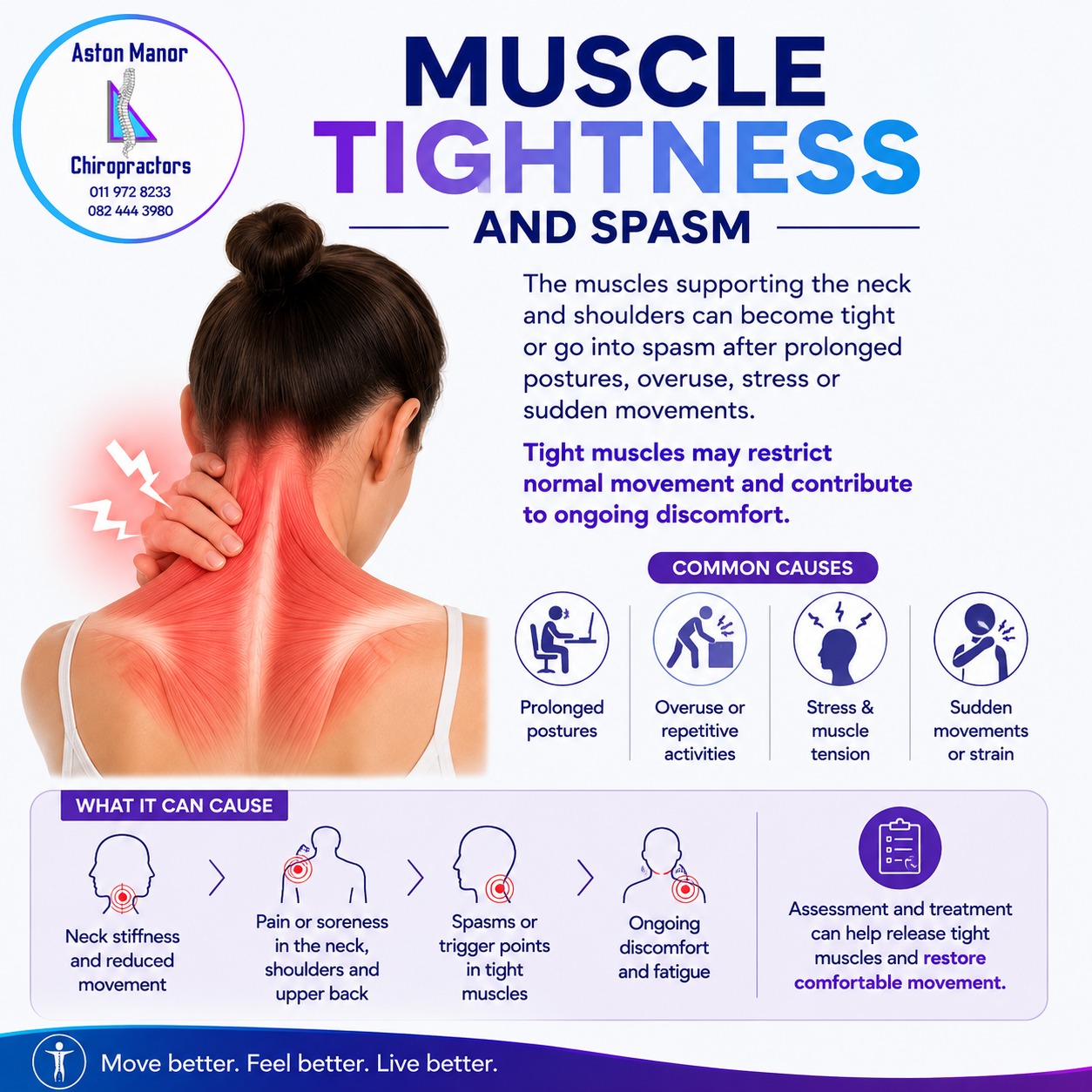
The muscles supporting the neck and shoulders can become tight or go into spasm after prolonged postures, overuse, stress or sudden movements. Tight muscles may restrict normal movement and contribute to ongoing discomfort.
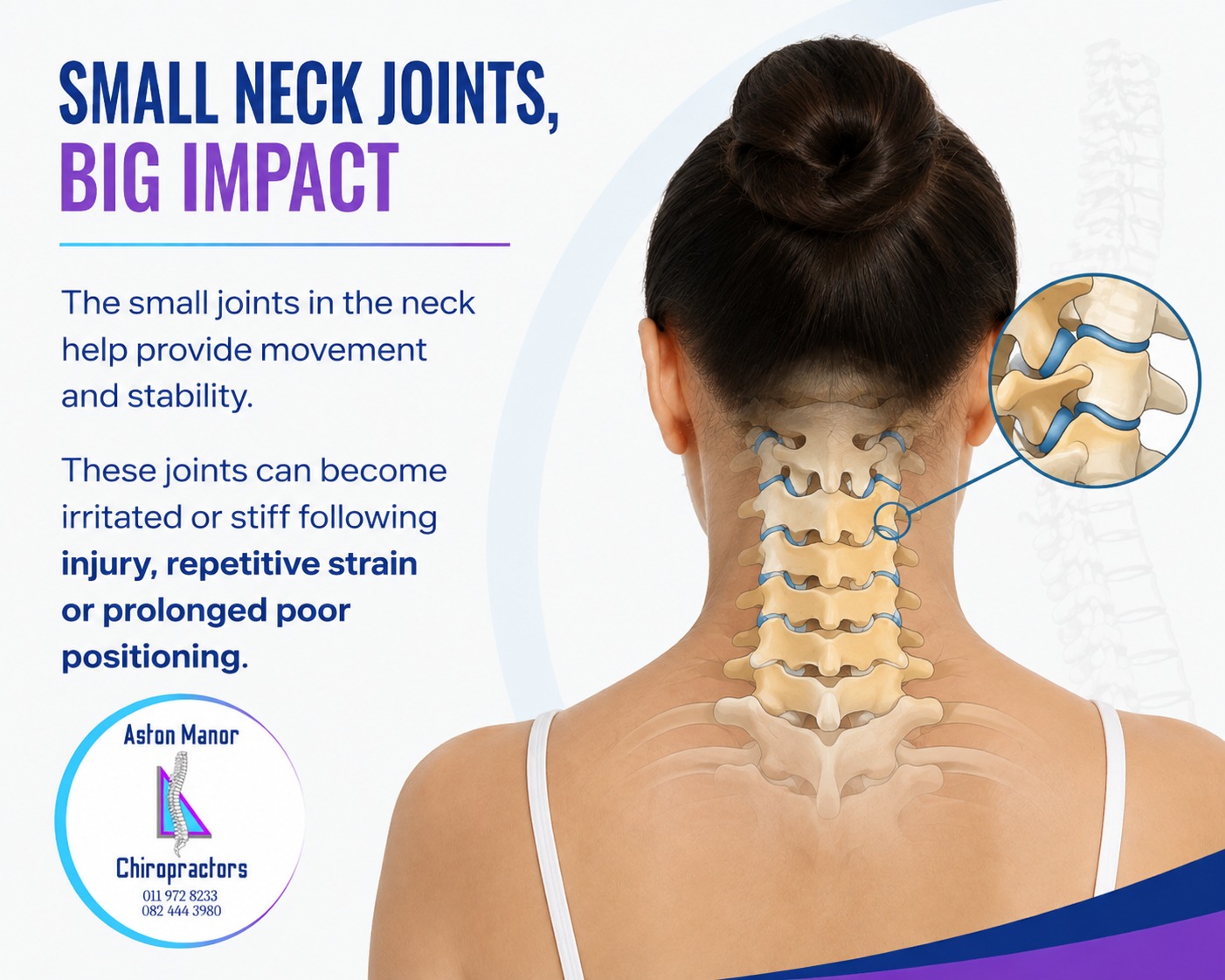
The small joints in the neck help provide movement and stability. These joints can become irritated or stiff following injury, repetitive strain or prolonged poor positioning.
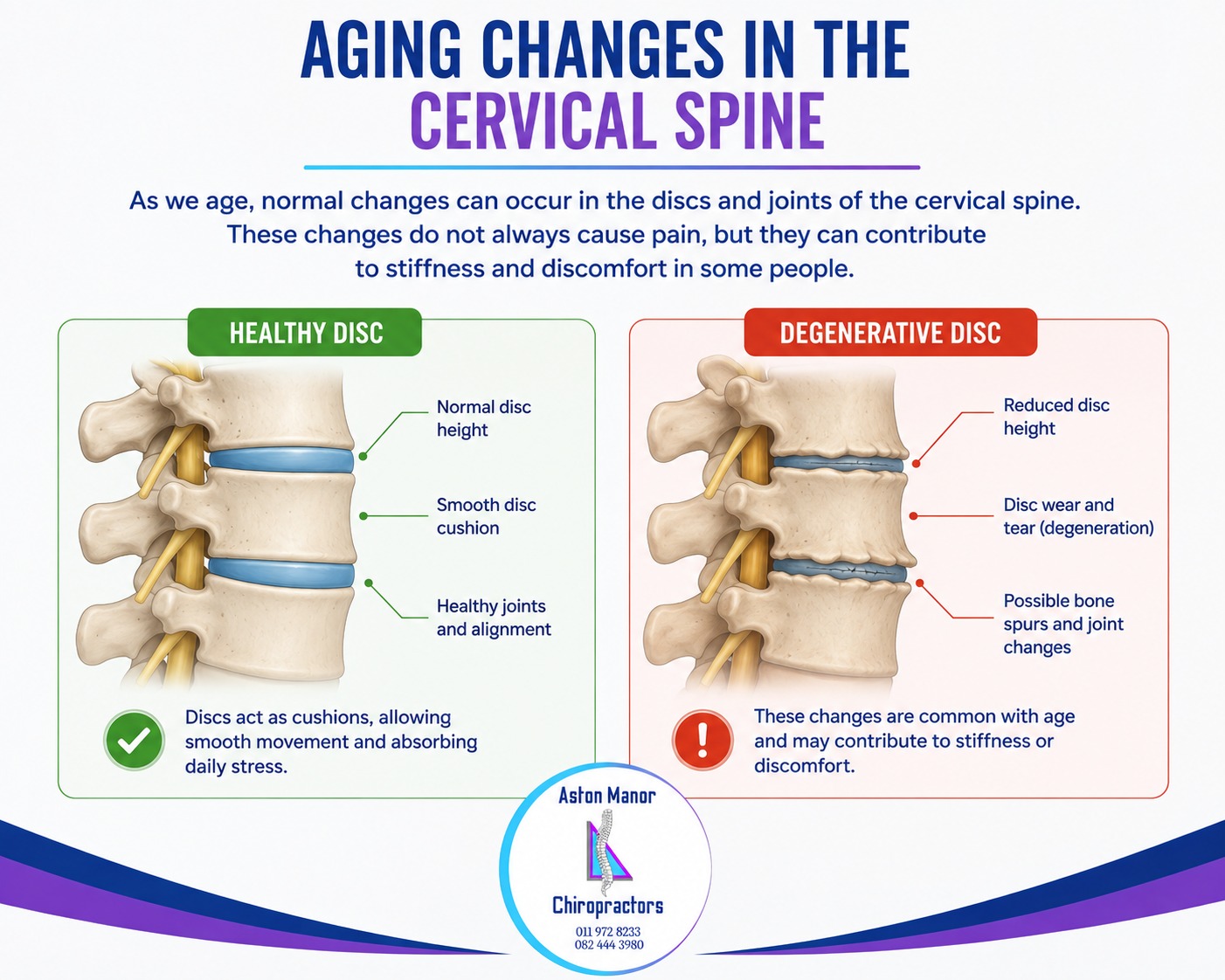
As we age, normal changes can occur in the discs and joints of the cervical spine. These changes do not always cause pain, but they can contribute to stiffness and discomfort in some people.
A sudden movement, fall, sporting injury or other accident can strain the muscles, ligaments and joints of the neck. Whiplash is one example of an injury-related neck problem and will be covered in more detail on our dedicated whiplash page.
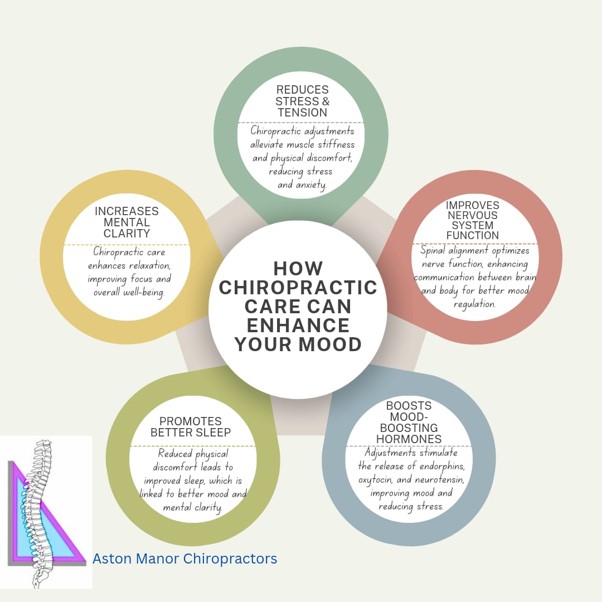
Stress can cause people to unconsciously tighten their neck and shoulder muscles. When this occurs repeatedly, it can contribute to muscle fatigue, stiffness and pain.
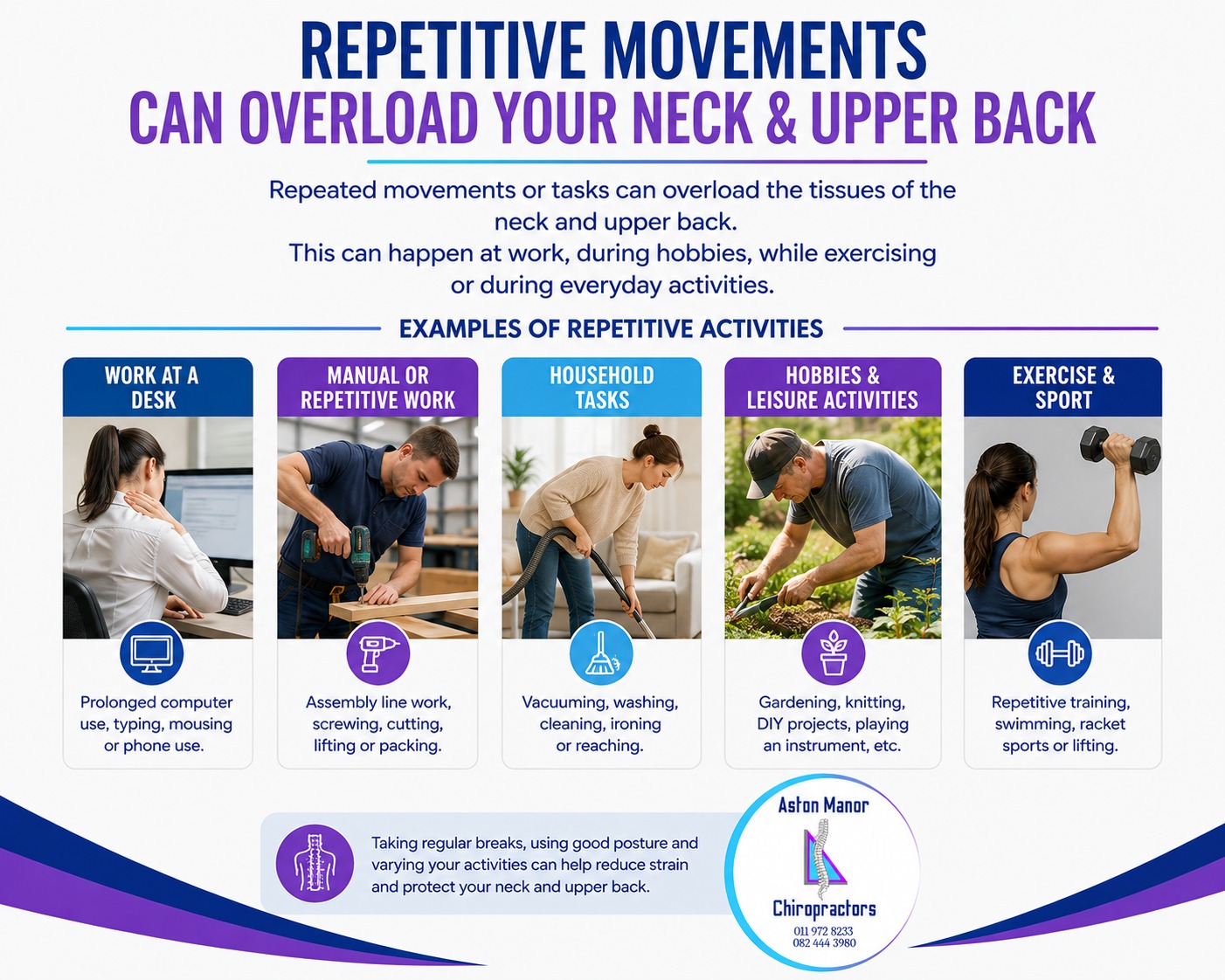
Repeated movements or tasks can overload the tissues of the neck and upper back. This can happen at work, during hobbies, while exercising or during everyday activities.
How Can Chiropractic Treatment Help Neck Pain?
Chiropractic care focuses on assessing the muscles, joints, movement patterns and other structures that may be contributing to your neck pain.
Depending on the findings of your examination, treatment may include:
Gentle manual techniques may be used to improve movement in stiff or restricted joints.
Tight or irritated muscles may be treated to reduce tension and improve flexibility.
Where appropriate, specific techniques may be used to address painful or tight areas within muscles.
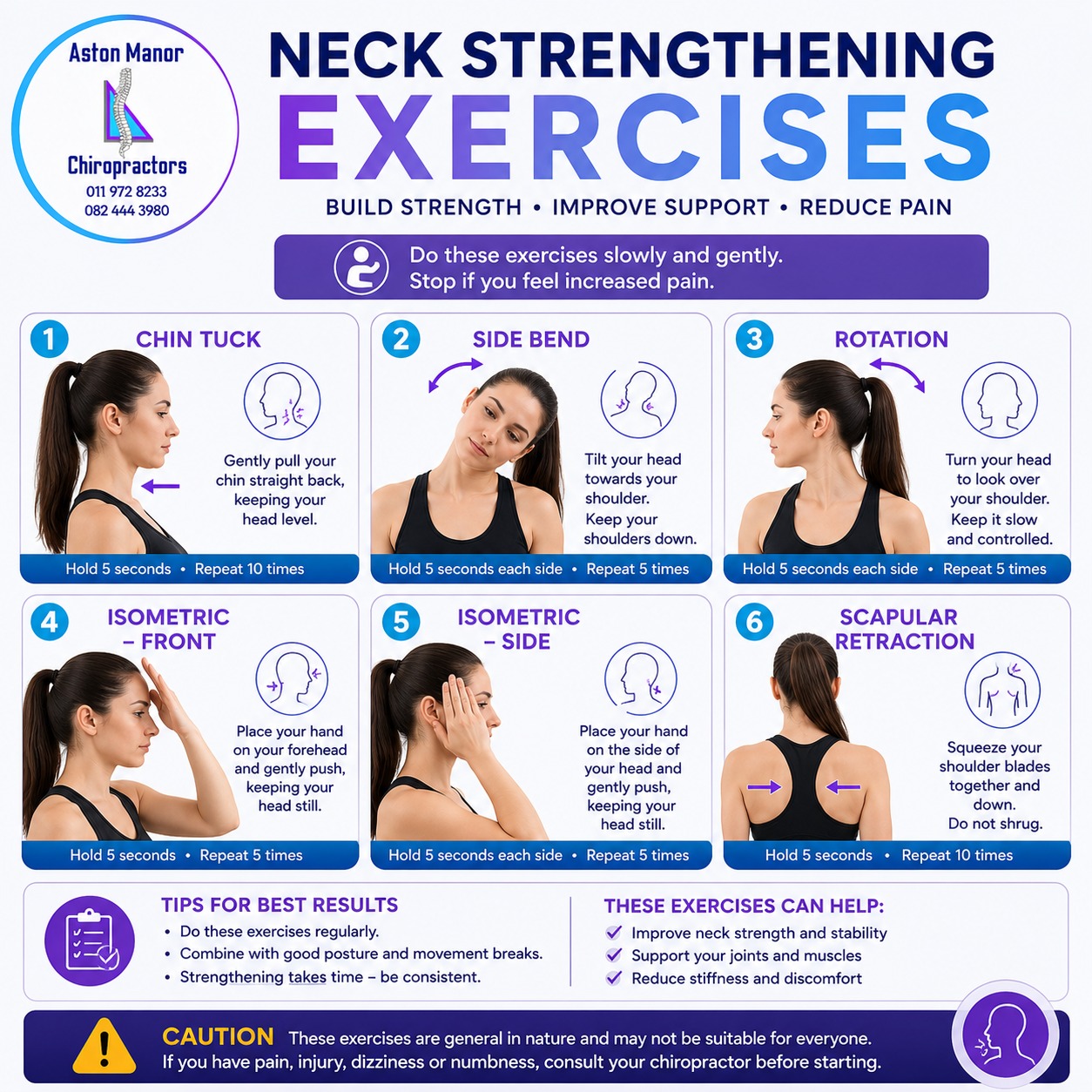
Strengthening and mobility exercises can help restore normal movement and improve the neck and upper back's ability to cope with everyday demands.
Your chiropractor may identify habits, workstation issues or movement patterns that are contributing to your symptoms and suggest practical changes.
Treatment is individualised because the cause of neck pain is not the same for everyone.
Prevention: What Can You Do to Reduce Your Risk?
You cannot prevent every episode of neck pain, but there are practical steps that can reduce unnecessary strain.
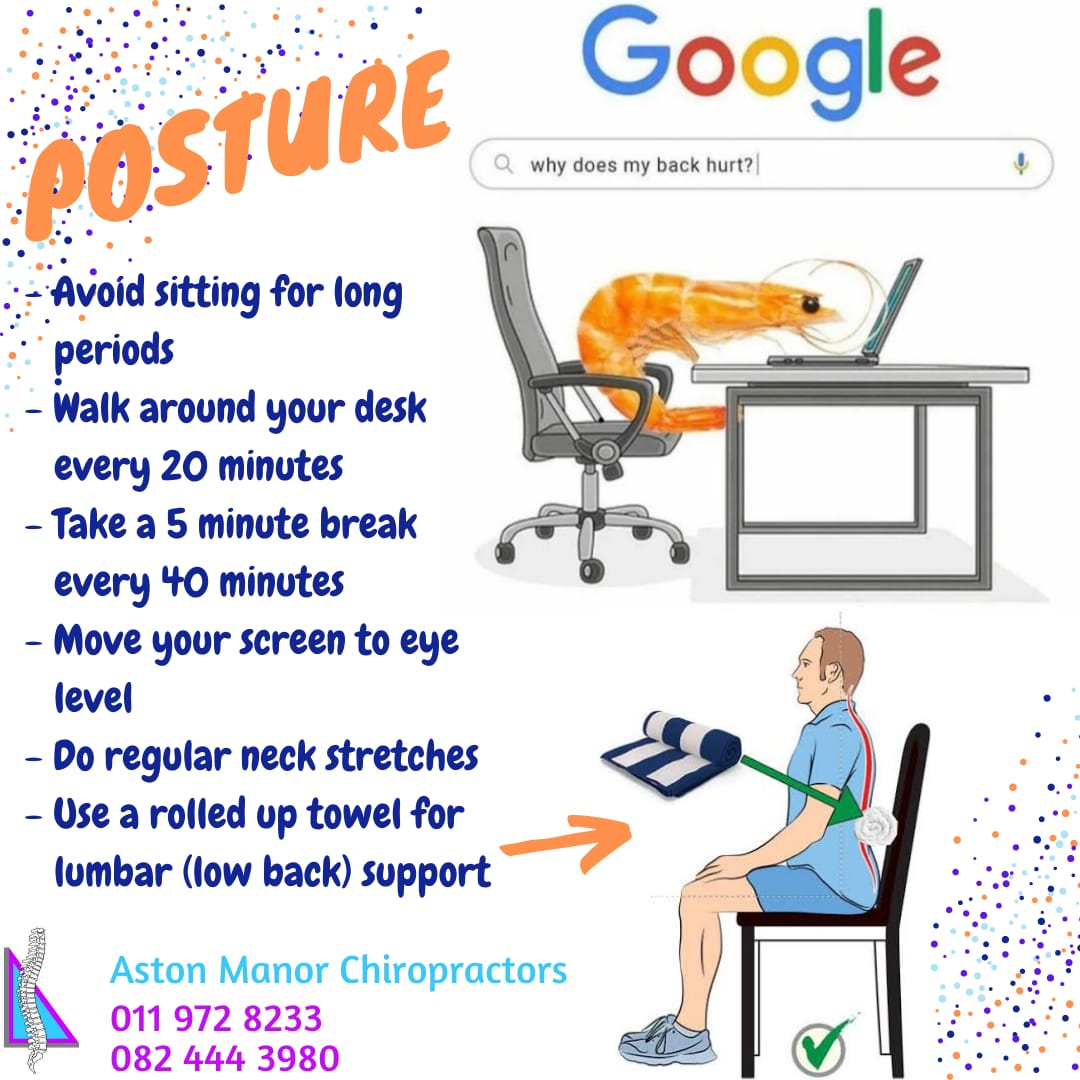
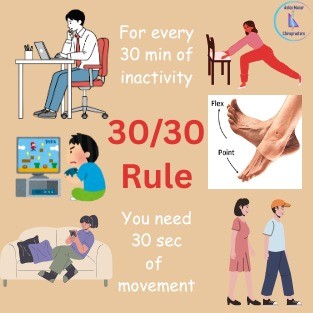
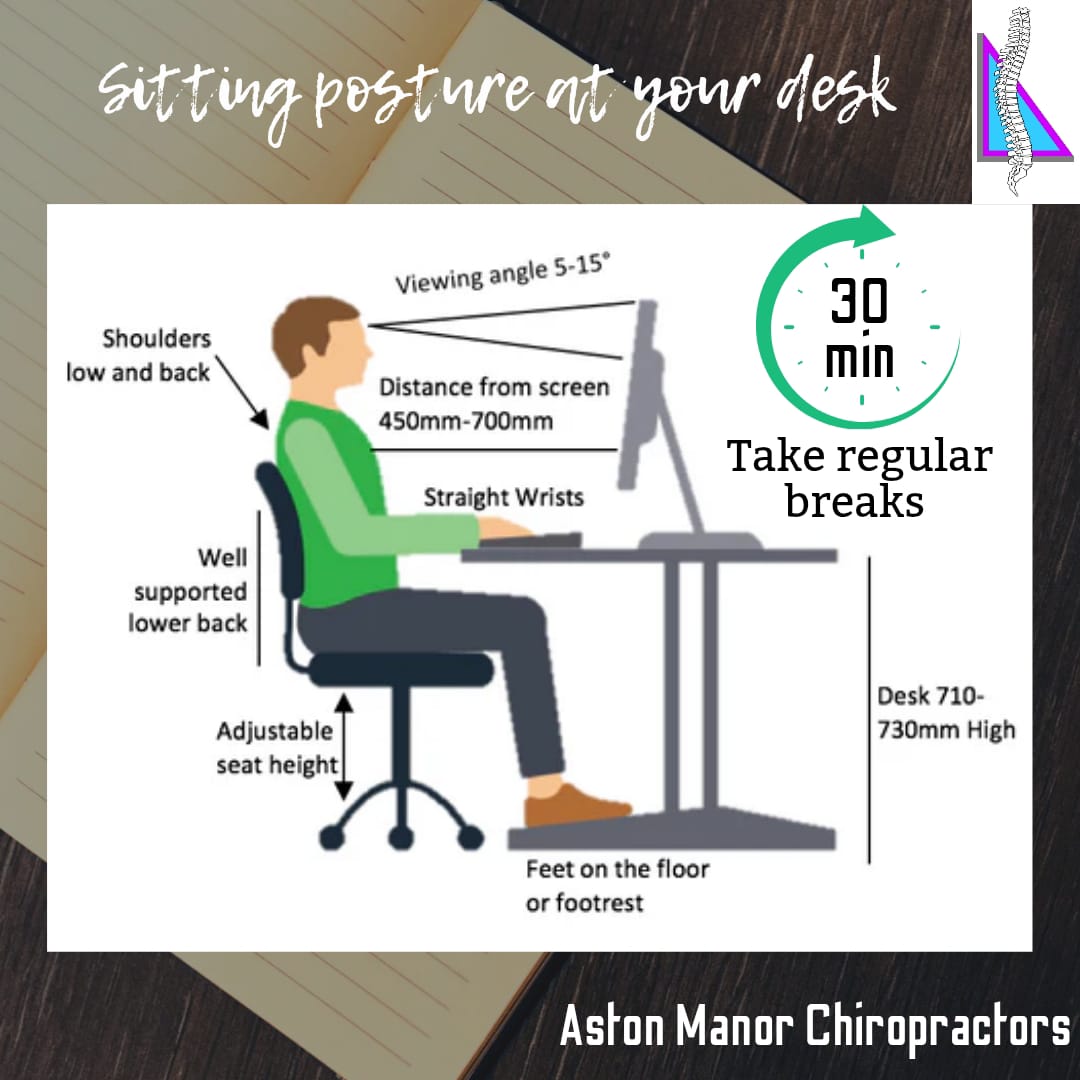
Avoid remaining in the same position for long periods. Take regular breaks from sitting and computer work.
Your screen, chair and keyboard should allow you to work without constantly bending or reaching your neck.
Follow the button below to a more information about setting up your workstation.
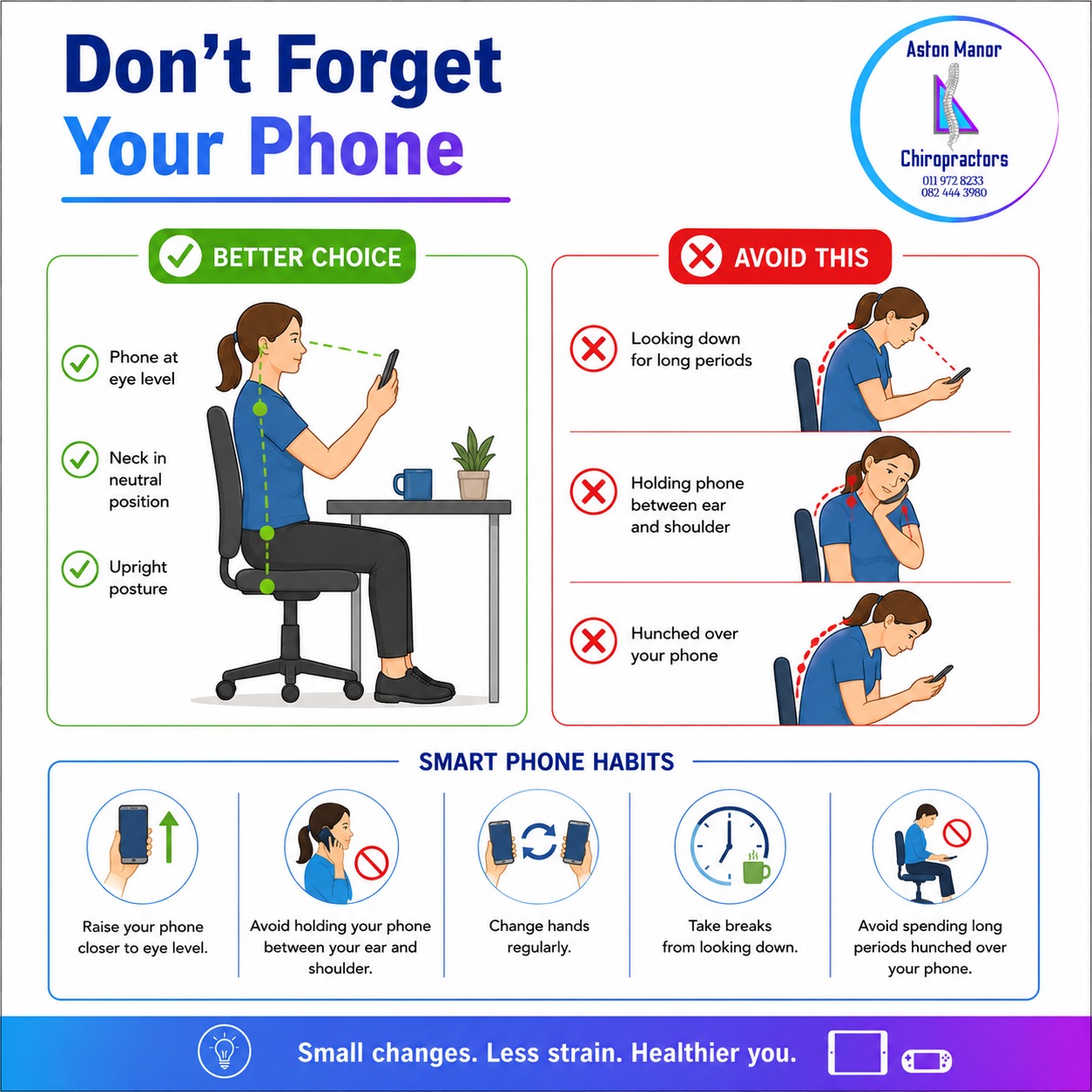
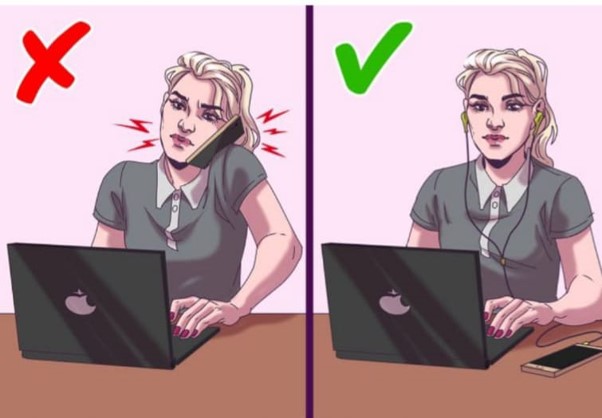
Try to bring the phone closer to eye level rather than spending long periods looking down.
Good muscle strength can help the neck cope with daily activities.
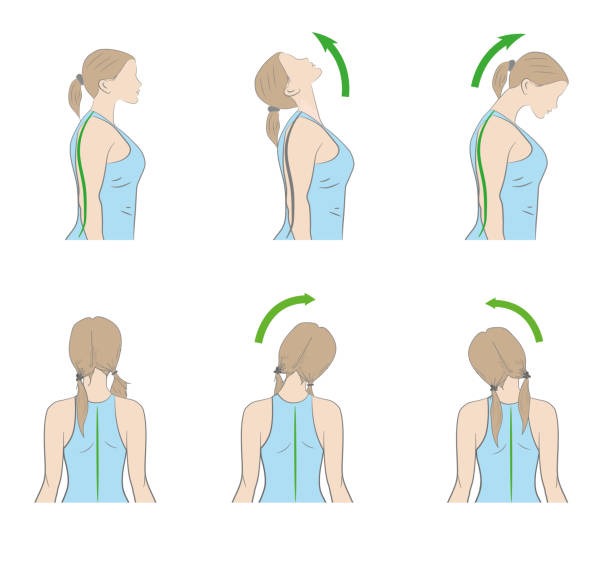
Regular mobility exercises can help maintain comfortable movement.
There is no single perfect posture that you have to maintain all day. Changing position regularly is often more important.
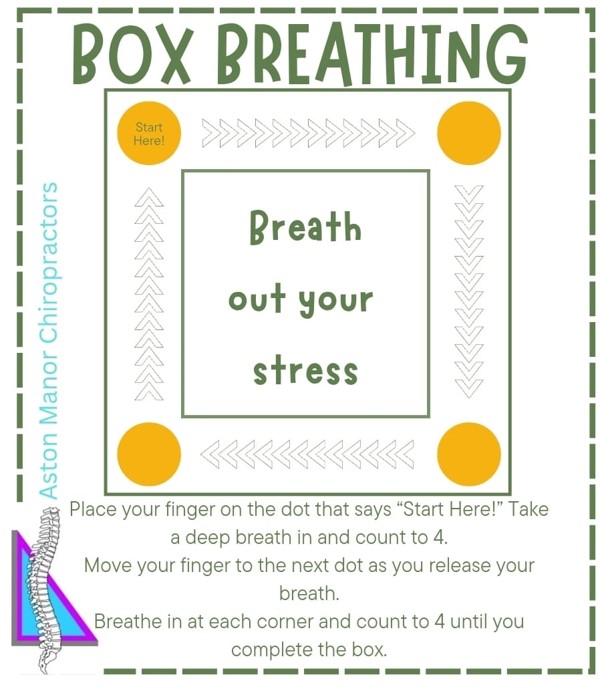
Relaxation, exercise, sleep and other stress-management strategies may help reduce persistent muscle tension.
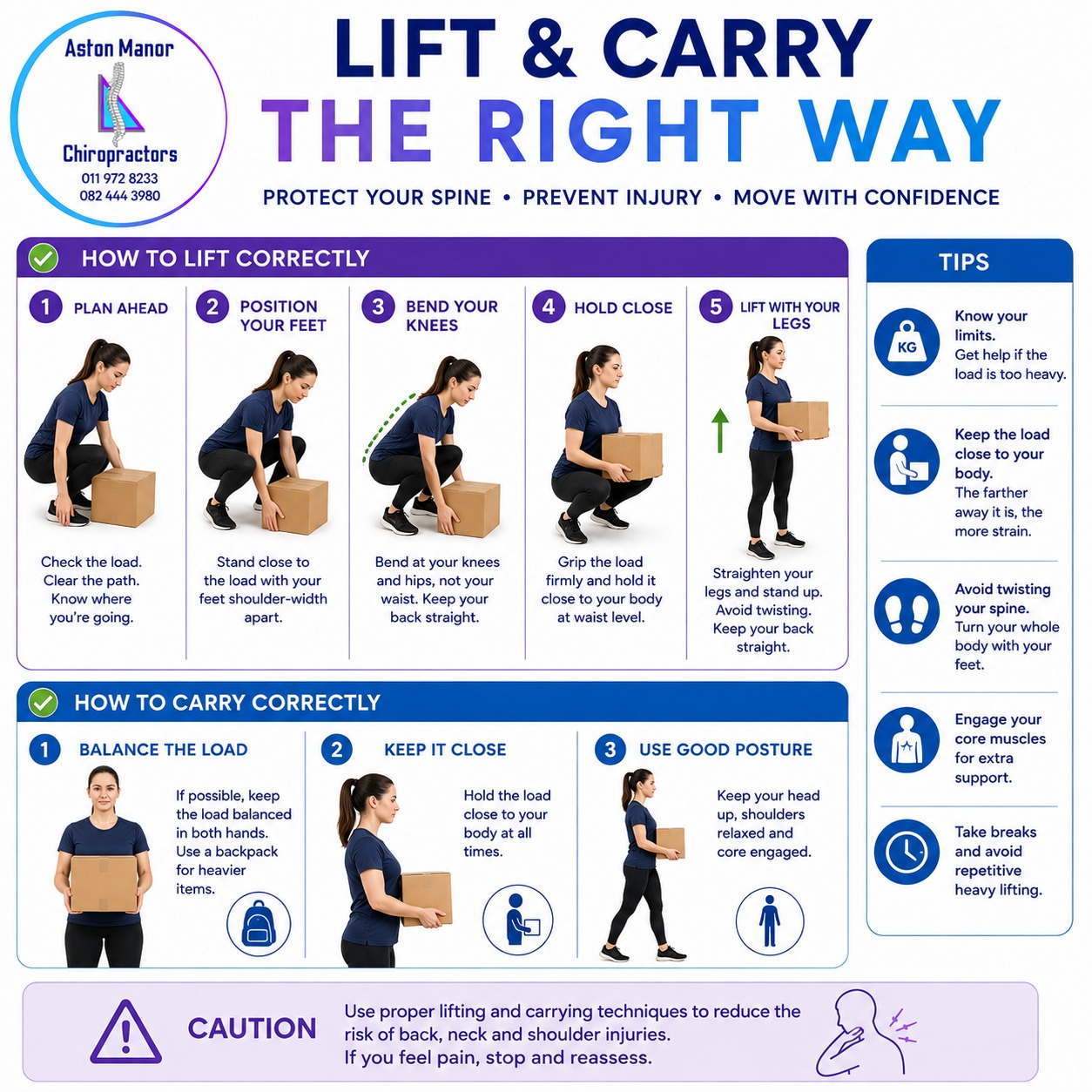
Avoid sudden, awkward movements and excessive loads where possible.
When Should Neck Pain Be Assessed?
Many mild episodes of neck pain settle with simple measures, but persistent, recurring or worsening symptoms should be assessed.
Do not delay seeking professional assessment particularly when neck pain is accompanied by:
Pain, numbness or tingling travelling into the arm or hand
Weakness in the arm or hand
Significant loss of neck movement
Severe or worsening pain
Symptoms following a significant injury
Problems with balance, coordination or walking
Early assessment can help identify the likely cause and determine the most appropriate treatment.
Neck Pain Can Affect More Than Your Neck
Even relatively simple neck pain can interfere with work, sleep, driving, exercise and everyday activities. When pain persists, people often begin avoiding movements because they are worried about making the problem worse. This can lead to increasing stiffness, reduced movement and muscle weakness.
The good news is that many causes of neck pain can be effectively managed with appropriate treatment, movement and practical changes to the factors contributing to the problem.
At Aston Manor Chiropractors, we assess your neck pain as an individual problem rather than treating every case in the same way. Our goal is to identify what may be causing your symptoms, reduce pain and help you return to normal movement and daily activities.
Do not feel that you have to simply live with ongoing neck pain. A proper assessment can help determine what is contributing to your symptoms and whether chiropractic care is appropriate for you.
This information is provided for educational purposes and does not replace an individual medical or chiropractic assessment. Sciatica has several possible causes, and treatment should be based on the findings of an appropriate clinical examination.